


By Aliyu Baba Mohammed
Pupils in many rural primary schools across Kaduna State are forced to defecate in the open, and the fallout is making children sick with cholera and other waterborne diseases, while putting their teachers at health risk.
In this feature, Dawn Herald looked into the lack of functional toilets in public primary schools in most of the rural areas of Kaduna State, which has forced pupils into open defecation, fueling a cholera outbreak that health officials warn could spread further without urgent intervention.
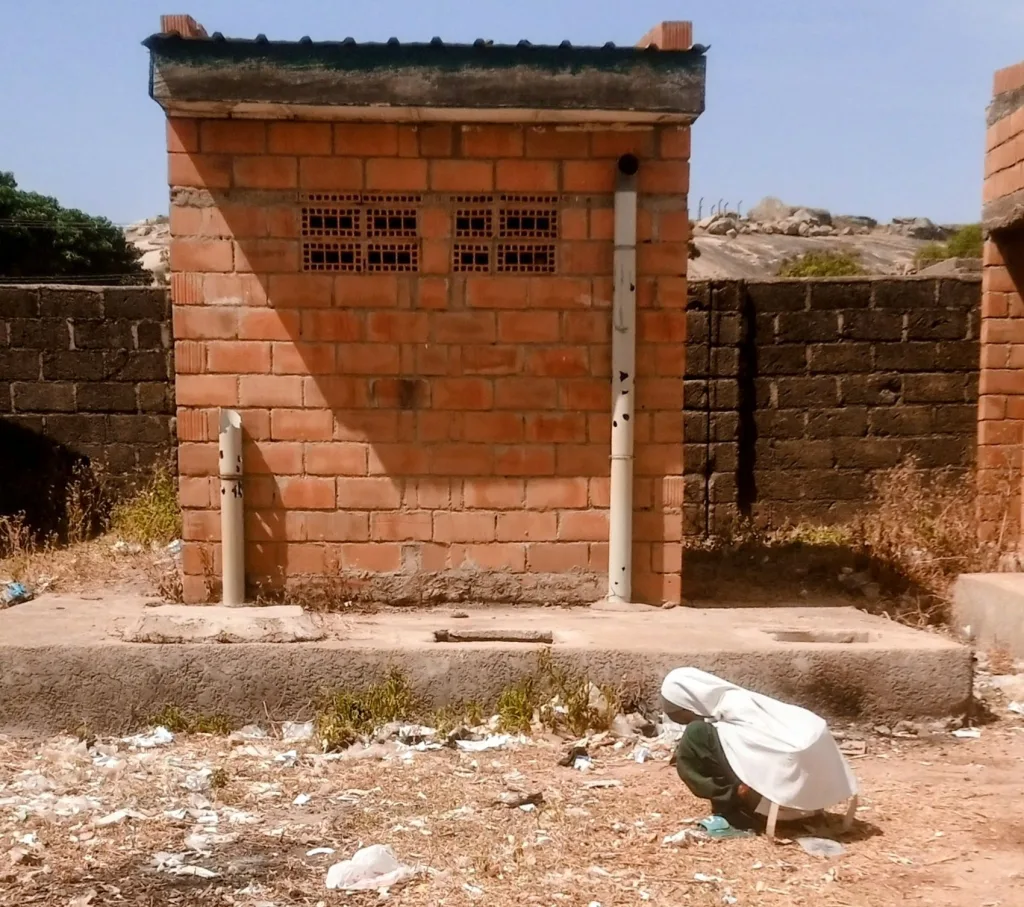
A visit to some major primary schools in some rural local government areas indicates that pupils are (mostly) defecating in open spaces because their schools either have their toilets entirely collapsed or have facilities so poorly maintained that pupils refuse to (or cannot) use them. This practice has contaminated water sources and led to a surge in cholera cases among young children.
Some of the schools visited include:
Model Central Primary School,
Unguwan Turaki Primary School, A. A Model, and Magaji Abubakar Primary School in Ikara; Sada Primary School, UBE Mallam Ali Gari, UBE Anguwan Kunda and UBE Aguwan Lili in Makarfi;
Hangwa shehu primary school, Hanyingada A, and Hanyingada B Shika primary schools in Giwa; LEA Primary School Unguwan Fari in Jema’a LGA; LEA Primary School Unguwan Sarki, Pambegua in Kubau LGA; others are in Sabon Gari, Kachia, Kudan, Sanga, and Soba Local Government Areas.
The crisis has exposed a dangerous gap in basic school infrastructure. Many rural schools depend on well-water as their only water source. When open defecation occurs near these wells, contamination becomes inevitable. Meanwhile, the Aquatabs mostly supplied to these schools during the raining season by health authorities to disinfect water are insufficient to address the scale of contamination.
Open defecation poses serious health dangers to any community. When human waste is not properly disposed of, it contaminates water sources and spreads diseases like cholera, typhoid, and diarrhea. Children are especially vulnerable because their immune systems are still developing – Dr. Minkail Mohammed of General Hospital, Ikara, explained during an interview.
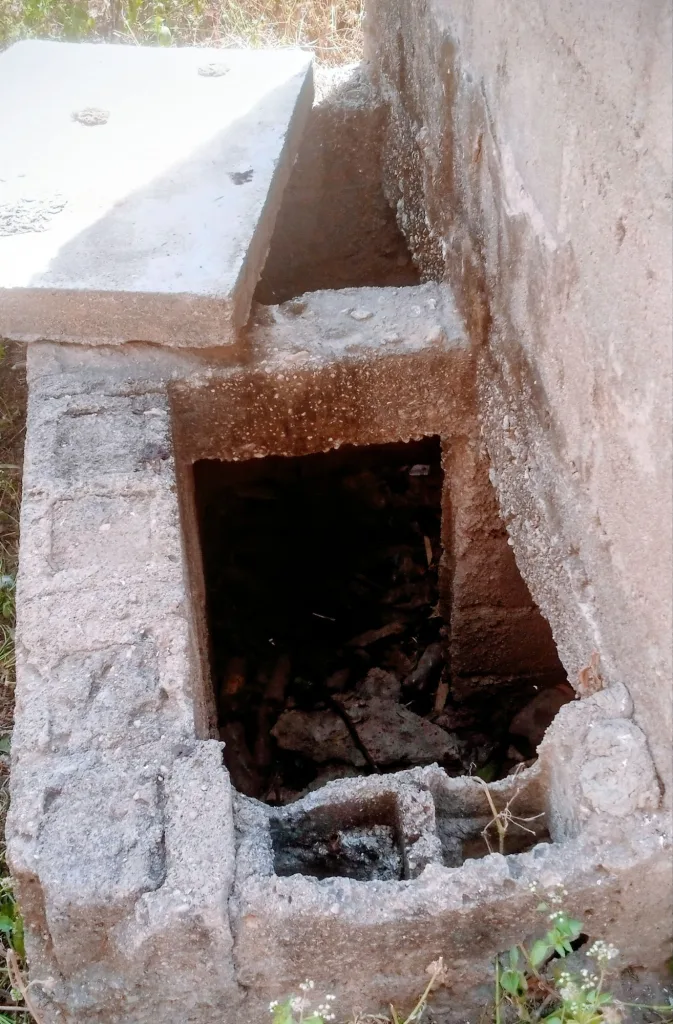
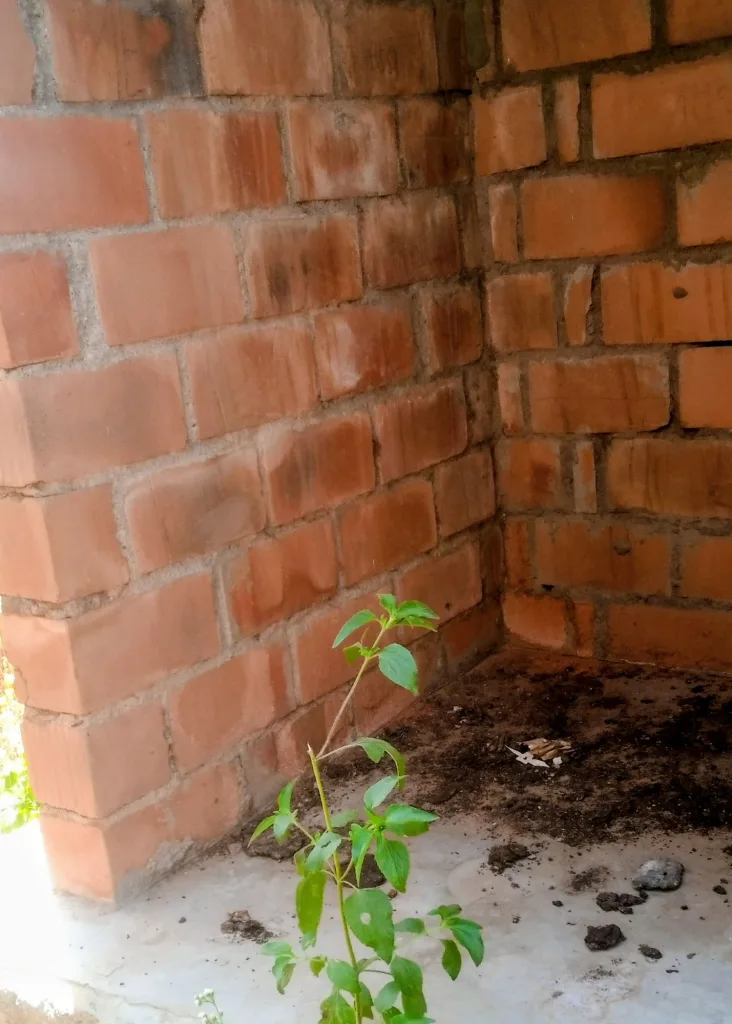
The situation varies across affected schools in these rural LGAs. Some have toilets that were built years ago but have fallen into disrepair with broken doors, cracked floors, and non-functional pit systems. Pupils in higher classes described these facilities as unbearable, forcing them to seek alternatives outside school premises, while those in lower classes make use of any available spaces within the school premises.
Other schools are currently operating without any standing toilet facilities at all. In these institutions, pupils have no choice but to defecate in nearby bushes or open fields within the school environment. During rainy seasons, waste washes into water sources, creating a cycle of contamination.
Even schools with standing toilets face challenges, because without regular maintenance, the facilities become breeding grounds for diseases. Blocked drainage systems, full/overflowing pits, and lack of water for cleaning make these toilets unusable. Many teachers interviewed who don’t want their name mentioned said that teachers and some pupils are forced to hold their waste throughout school hours rather than use these facilities.
Even though there is no case of cholera outbreak yet in some of the schools visited as a result of this phenomenon except a few, the possible outbreak could kill several children and hospitalized dozens more. Health workers warned that the outbreak could directly contaminate water sources due to poor sanitation practices around schools and homes.
Parents in affected communities express frustration with the situation. They send their children to school expecting a safe environment but instead face the nightmare of preventable diseases. Some parents could withdraw their children from these schools with the worst cases because of the sanitation or hygiene crisis.
Teachers also struggle with the problem, because they cannot force pupils to use facilities that are genuinely unusable, yet they watch helplessly as pupils engage in practices that endanger their health. Meanwhile, some headmasters and teachers use their personal funds to buy disinfectants and cleaning materials, but these individual efforts cannot solve a systemic problem.
To some extent, the Kaduna State Government is aware of infrastructure challenges in rural primary schools but action has been slow to tackle the problem. Budget allocations for school maintenance often focus on classroom buildings and instructional materials, leaving sanitation facilities as an afterthought.
Dr. Mohammed emphasized the broader implications of the crisis.
Cholera spreads rapidly in communities with poor sanitation. One infected child can transmit the disease to their entire family and neighbourhood. We have seen this pattern repeatedly in areas where open defecation is common.
The doctor explained that cholera causes severe diarrhea and vomiting, leading to rapid dehydration. Without immediate treatment, the disease can kill within hours, particularly in children, pregnant women, and elderly people. Prevention through proper sanitation is far more effective and affordable than treating outbreaks after they occur.
Health facilities in affected areas are overwhelmed. For instance, Ikara General Hospital has recorded more cholera cases in recent times than in the previous three years combined. Medical supplies are running low, and health workers are stretched in managing the crisis.
The doctor explained that cholera causes severe diarrhea and vomiting, leading to rapid dehydration. Without immediate treatment, the disease can kill within hours, particularly in children, pregnant women, and elderly people. Prevention through proper sanitation is far more effective and affordable than treating outbreaks after they occur.
Health facilities in affected areas are overwhelmed. For instance, Ikara General Hospital has recorded more cholera cases in recent times than in the previous three years combined. Medical supplies are running low, and health workers are stretched in managing the crisis.
The inadequate supply of Aquatabs compounds the problem. While these water purification tablets can make contaminated water safer to drink, the quantities provided cannot meet the needs of all affected schools. Many schools receive only a few tablets annually when they need hundreds to ensure safe drinking water throughout the term. In fact, the report indicates that the tablets were yet to be distributed for the 2025 rainy season as at the time of compiling this feature in October.
Also, water scarcity adds another layer to the crisis. Schools without piped water cannot maintain clean toilet facilities even when the structures exist. Pupils and teachers must fetch water from wells or nearby streams, but these same sources are contaminated by open defecation.
Community leaders in rural areas call for urgent government intervention.
Traditional rulers in Makarfi, Ikara and Kubau have urged state government and relevant health authorities like NGOs to come to their aid, highlighting the need for public health emergency in developing their domains to reduce the increasing open defecation. They cautioned that if action is not taken quickly, the cholera outbreak is inevitable and could spread to urban centers too.
Meanwhile, some schools have attempted local solutions, as Parent-Teacher Associations in several communities have organized cleanup exercises and cleared grasses during the rainy season. However, this volunteer effort cannot replace the systematic intervention needed to address the problem across hundreds of schools.
Civil society organizations working in the education sector have documented the extent of the crisis. In October, 2019, PM News reported that NGOs like Connected Development (CODE) revealed that 609 public schools in Kaduna State lack toilet and water facilities. Their reports show that over 60% of rural public primary schools in the State lack functional toilet facilities and clean water systems. The situation is worst in primary schools, because this is where young children have the greatest need for accessible sanitation.
The timing of the crisis is particularly unfortunate, as Nigeria is working toward achieving the Sustainable Development Goals, which include universal access to adequate sanitation. The situation in Kaduna’s rural schools represents a major setback for these ambitions.
However, international organizations have expressed willingness to support sanitation improvements in Nigerian schools, but they require government commitment and coordination to actualize it. Without a clear plan from state authorities, potential partners cannot effectively contribute resources.Recommendations for Urgent Action
The Kaduna State Government must declare the sanitation crisis in rural primary schools a public health emergency. This declaration would unlock emergency funding and fast-track intervention projects.
State authorities should conduct an immediate audit of all public primary schools to identify those without standing toilets and those with non-functional facilities. This assessment will provide the data needed for systematic intervention.
The government should allocate emergency funds specifically for constructing and rehabilitating primary school toilets. These facilities must be designed with maintenance in mind, using durable materials suitable for rural environments.
Recommendations for urgent action
The Kaduna State Government must declare the sanitation crisis in rural primary schools a public health emergency. This declaration would unlock emergency funding and fast-track intervention projects.
State authorities should conduct an immediate audit of all public primary schools to identify those without standing toilets and those with non-functional facilities. This assessment will provide the data needed for systematic intervention.
The government should allocate emergency funds specifically for constructing and rehabilitating primary school toilets. These facilities must be designed with maintenance in mind, using durable materials suitable for rural environments.
Schools need a dedicated maintenance budget for sanitation facilities. Toilet cleaning and repair should not depend on volunteer efforts or headmaster/teacher contributions. Trained personnel should be employed to maintain facilities regularly.
The state must increase the supply of water purification tablets to affected schools. Until permanent water infrastructure is established, adequate Aquatabs distribution can prevent disease outbreaks.
Community involvement is essential. Local government authorities should work with traditional leaders and parent groups to develop sustainable sanitation practices around schools. Communities that understand the health risks of open defecation can support behavioural change.
Health education must be strengthened in the school curriculum. Children who understand the connection between sanitation and health will use toilet facilities properly and maintain hygiene practices.
The government should partner with development organizations to construct modern, child-friendly toilet facilities. These partnerships can accelerate progress while ensuring facilities meet proper or international standards.
Schools need access to reliable water sources. The government should prioritize borehole construction and maintenance in schools instead of depending on contaminated wells.
Regular inspection of school sanitation facilities should be mandatory. Education authorities must include toilet conditions in their monitoring visits and take action when standards are not met.
The cost of inaction far exceeds the investment needed to solve this crisis. Medical treatment for cholera outbreaks, possible loss of school days, and potential fatalities represent a higher price than building and maintaining proper toilets.
Dr. Mohammed concluded with a severe warning:
Every day we delay addressing this sanitation crisis, we put more children at risk. Cholera is preventable with proper sanitation and clean water. We have the knowledge and resources to solve this problem. What we need now is the will to act
The children of rural Kaduna primary schools deserve learning environments that protect their health rather than endanger it. Functional toilets and clean water are not luxuries but basic requirements for any school. Until these needs are met, the promise of quality education for all remains unfulfilled.
The report of cholera outbreak cases in some of these schools should serve as a wake-up call. School sanitation is not a minor infrastructure issue but a matter of life and death. Governments at all levels must treat it with the urgency it deserves before more children fall victim to preventable diseases.


Kudos 👍!